Shopping Cart




€812.50 tax excl.
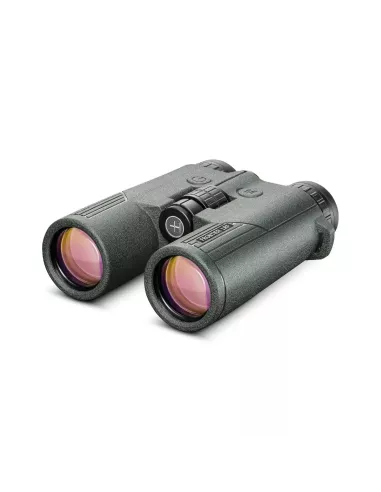
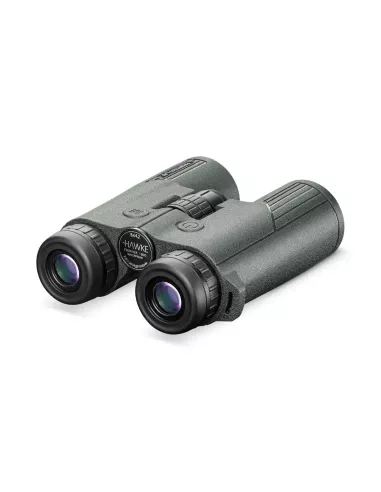
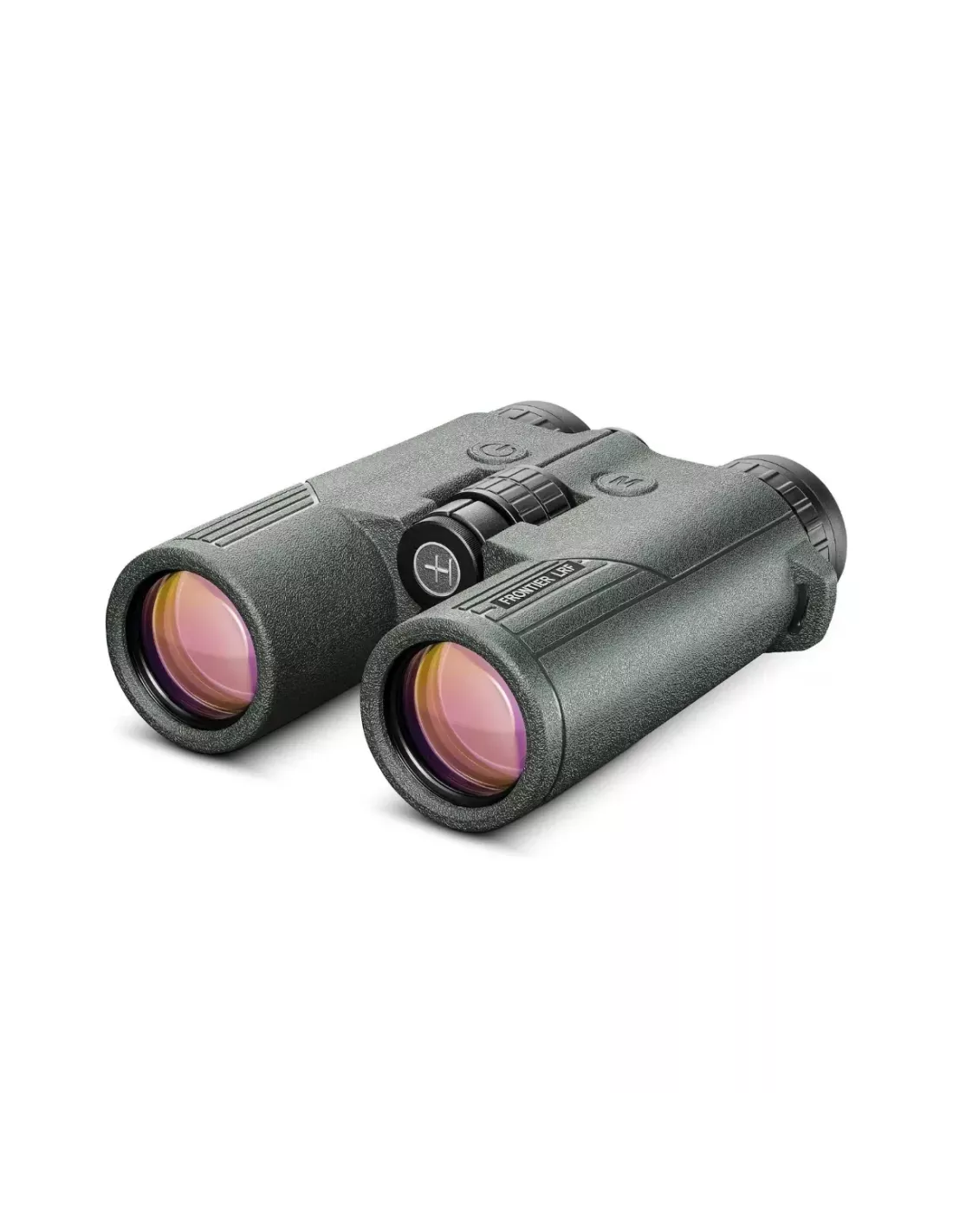
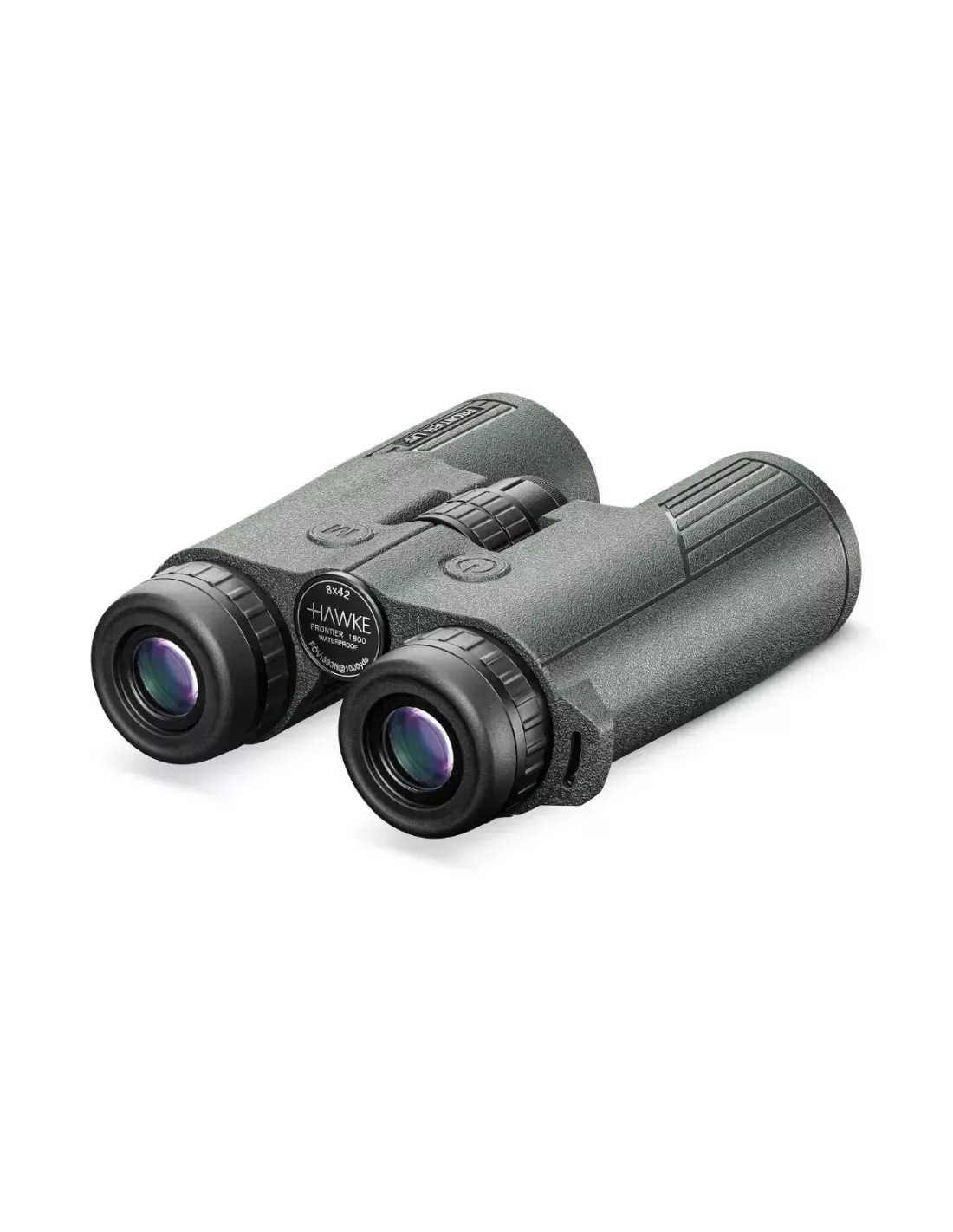
The Hawke Frontier LRF 8x42 are rangefinding binoculars designed for naturalist observation and field monitoring, combining high-transmission H7 optics, a red OLED display, and precise ranging accuracy of ±1 meter. They make it easy to measure observation distances quickly, work along transects, estimate distances to an animal, a fixed point, or a habitat, and improve consistency in ecological surveys and wildlife inventories.
They are especially useful for environmental study protocols where distance matters: transect surveys, visual counts, detection-distance estimation, presence mapping, colony monitoring, listening-point surveys, and observation-station checks. The horizontal distance mode is also practical on sloping ground, at woodland edges, on cliffs, or in hilly terrain, because it provides a more usable measurement for scientific work.
Technical specifications
Optical system: H7, with ED glass and multi-coated lenses to reduce chromatic aberration.
Magnification: 8x.
Objective diameter: 42 mm.
Field of view: 131 m at 1000 m.
Apparent field of view: 60°.
Eye relief: 16 mm.
Interpupillary distance: 56 to 74 mm.
Minimum focus distance: 10.1 m.
Ranging distance: 10 to 1800 m.
Accuracy: ±1 m.
Display: red OLED.
Display brightness levels: 6.
Power supply: 3V CR2 battery.
Auto shut-off: after 15 seconds of inactivity.
Waterproof rating: IPX7.
Nitrogen filled.
Body: magnesium alloy.
Lens coatings: multi-coated, anti-reflective, hydrophobic.
Eyecups: replaceable twist-up eyecups with stop positions.
Tripod thread: no.
Width: 115 to 138 mm.
Height: 165 mm.
Weight: 999 g.
Ranging modes
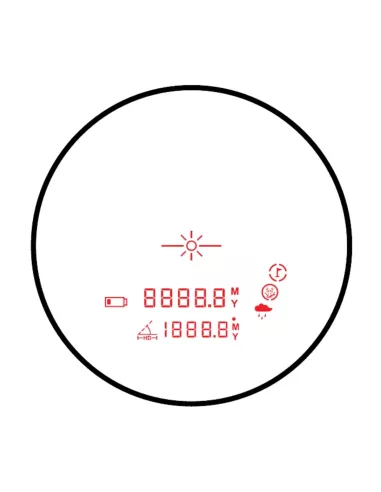
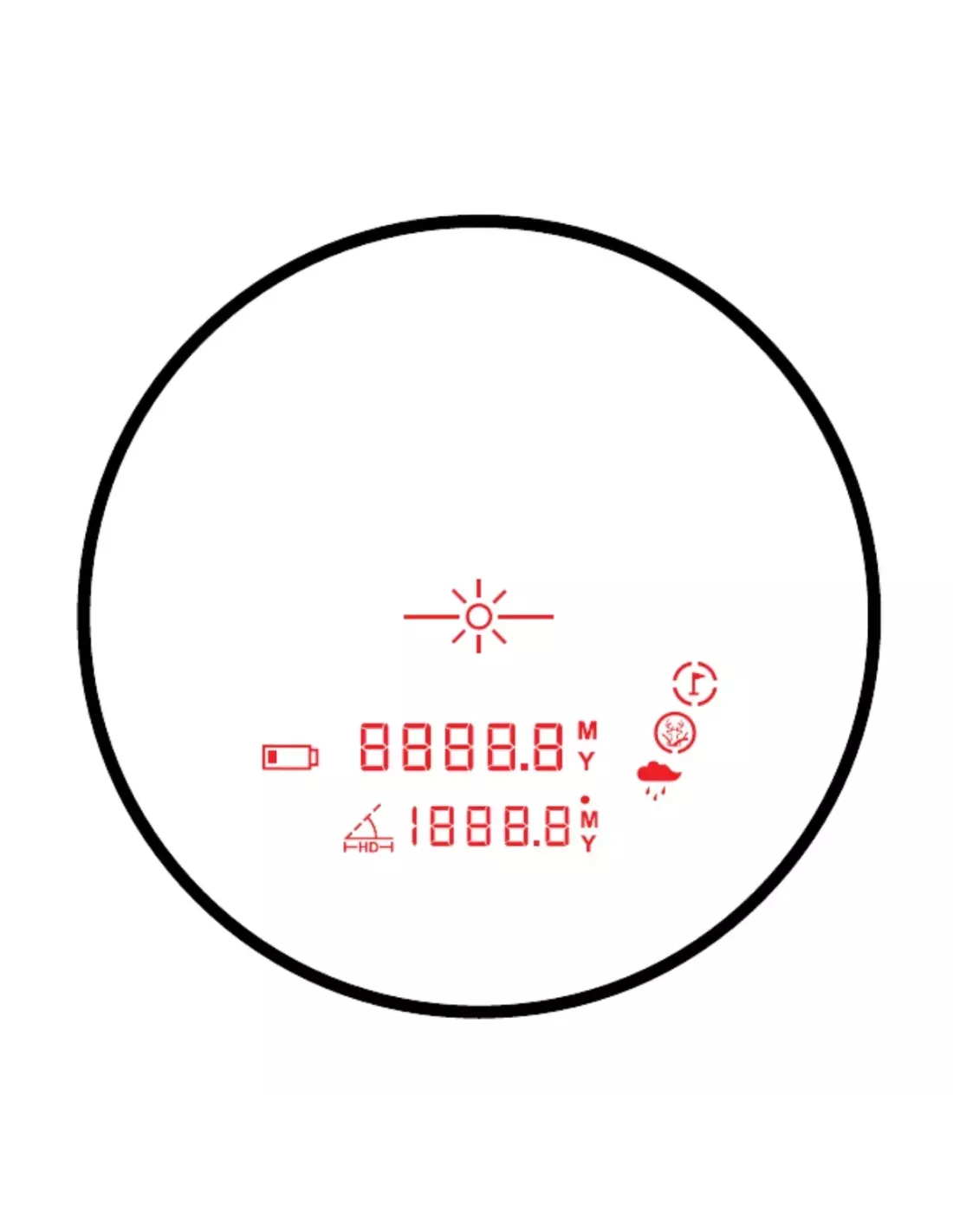
Standard: measures the direct distance to the target you are aiming at. It is the basic mode for measuring a simple distance to an animal, a fixed point, a marker tree, or an observation station.
Near: actively searches for a nearby foreground target, such as a post, marker, or crossing point. It is useful when you want to measure a close object without being distracted by a more distant background.
Rain: ignores falling raindrops and improves distance reading in wet conditions. It is practical during field surveys when weather reduces aiming stability.
Horizontal distance: calculates the real horizontal distance. It is especially useful on slopes, cliffs, embankments, or hilly terrain, because it gives a more usable value for scientific recording.
Angle: measures the aiming angle. It helps characterize sloping observations, document relief, or better interpret distance on uneven sites.
Hunt mode: lets you target a partially hidden animal without the foreground interfering with the measurement.
Naturalist use
In natural history work, these binoculars are mainly used to standardize observation distances and make records more comparable between observers. They are useful for transects, visual counts, detection-distance estimates, listening-point surveys, colony monitoring, occupancy mapping, and precise localization of an individual or habitat.
The horizontal distance mode is often the most valuable in scientific fieldwork because it simplifies measurements on uneven terrain. Standard mode suits direct targets, while Near and Angle help stabilize readings in visually or topographically complex situations.
You might also like