Your cart
There are no more items in your cart
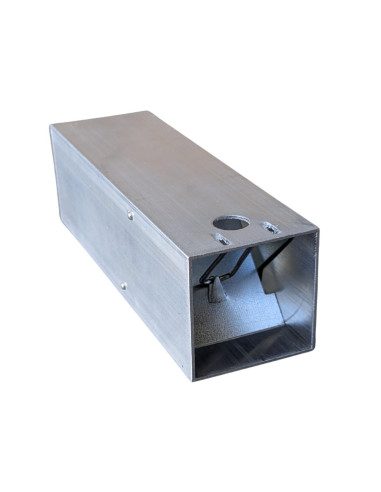
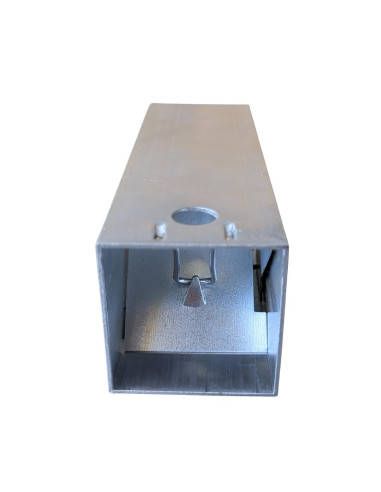
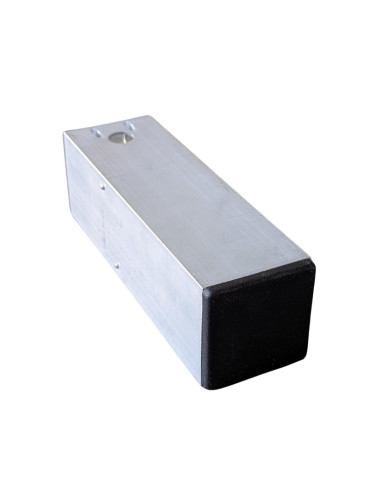
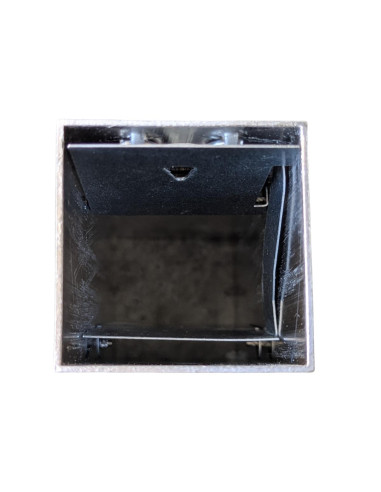
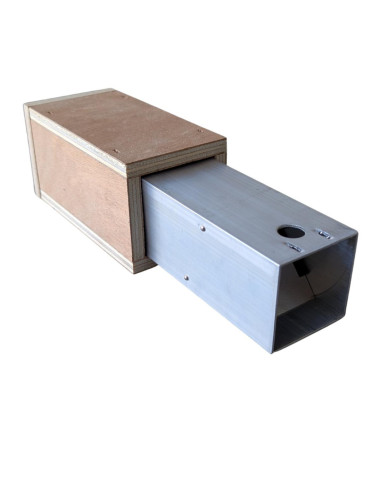
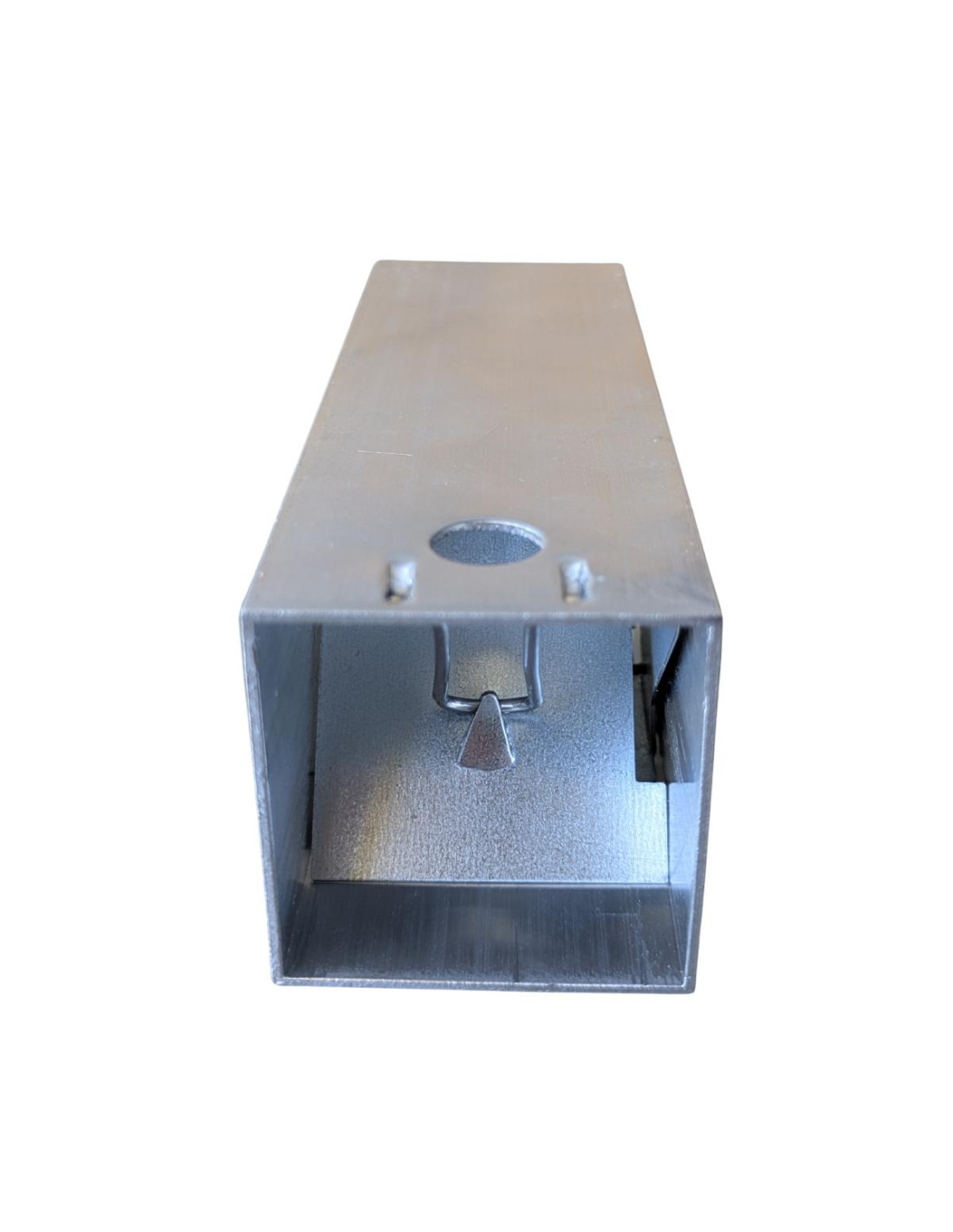
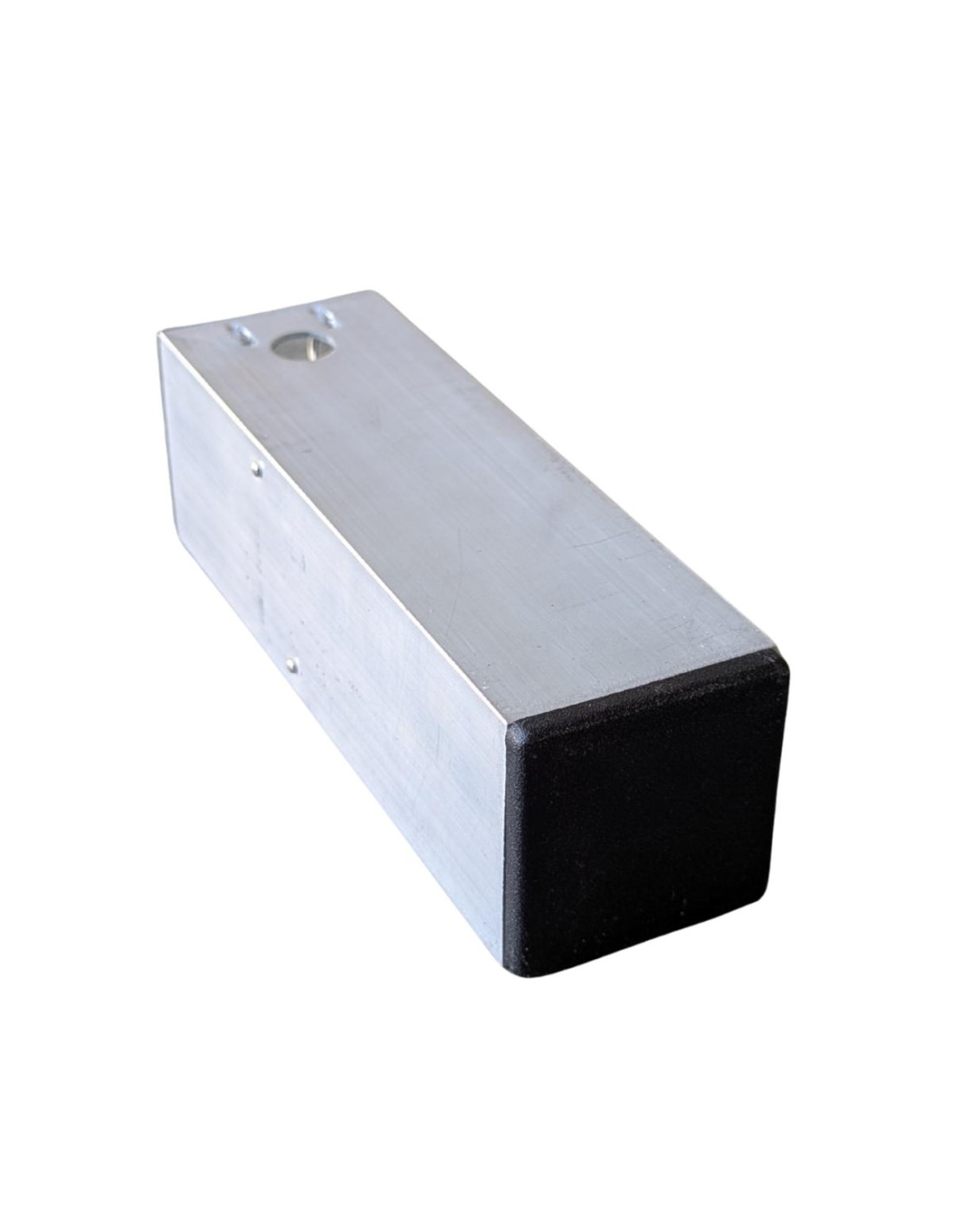
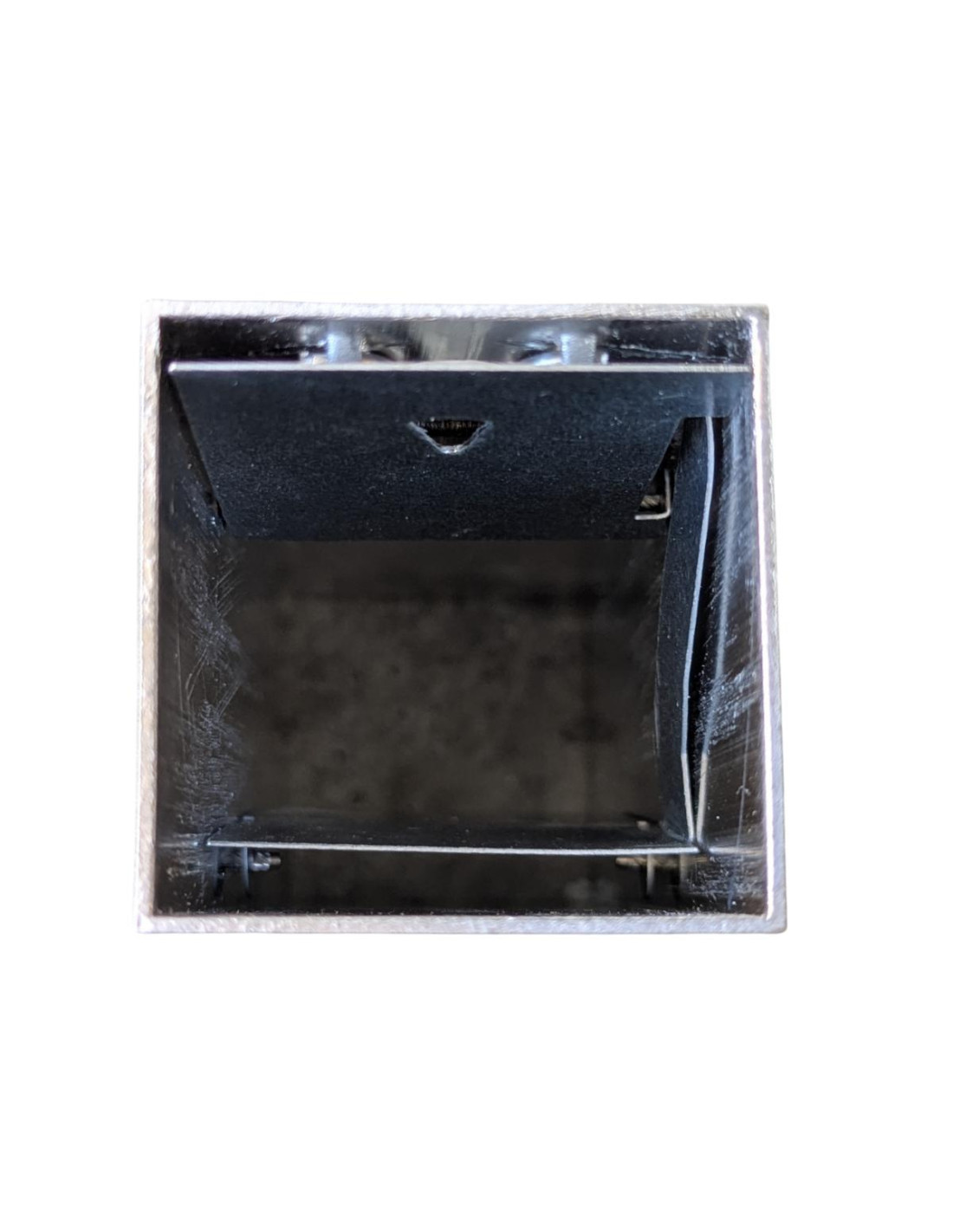
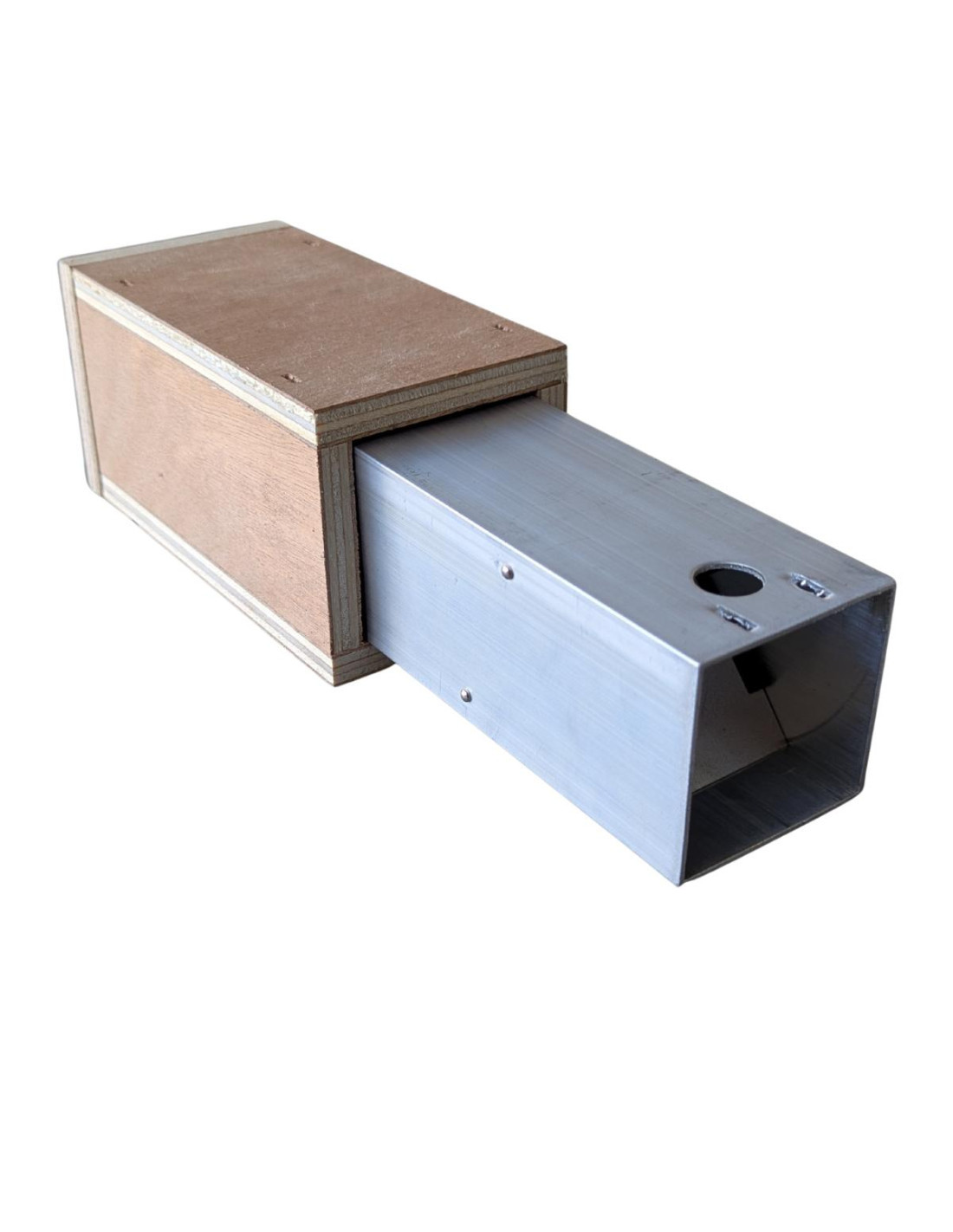




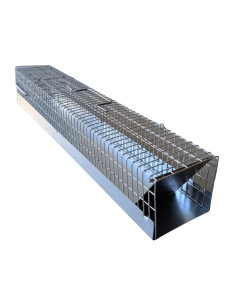
The INRA trap is a device designed for capturing small mammals in a non-invasive manner. With a length of 16 cm and 5 cm in height and width, this trap is suitable for capturing micromammals such as lizards, mice, field mice, etc. Its aluminum structure makes it particularly light (160 g).
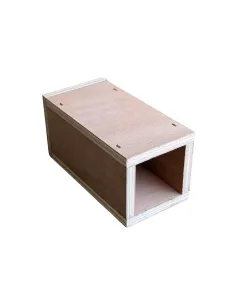
It is recommended to use this trap in combination with a bunk box, which provides shelter for the captured animal while awaiting its release. Indeed, despite the non-lethal nature of the trap, it can lead to up to 27% mortality*. Trapped animals can urinate, wetting their fur, which reduces its insulating capacity and may endanger their survival. The addition of a dormitory reduces this mortality rate to only 1.4%*, which is a significant improvement.
* Source: Jean-Pierre Quéré and Daniel Le Louarn, «Traumatism-free trapping using INRA traps and polypropylene sleeping boxes», in Techniques de l'Ingénieur, 1988.
INRA traps are used according to the following procedure: they are installed in lines of 10 traps, spaced five meters apart and placed in various habitats—ideally along ecotones to maximize capture efficiency. The traps are baited (with fruit, seeds, or food for rodents/insectivores) and checked at dawn and at the end of the day to limit the time in captivity and reduce mortality.
A supervised protocol conducted in the Rhône-Alpes region aimed to compare the trapping method using INRA traps with the analysis of owl pellet contents (from barn owls). A standard protocol was defined, involving capture campaigns at multiple sites, followed by a comparative analysis of the results obtained by both methods.
INRA traps are also used in CMR protocols, in which captured animals are individually marked during the first capture, then released and potentially recaptured during subsequent campaigns. This allows researchers to estimate population sizes.
At some sites, INRA traps are placed every 10 meters along two 100-meter transects. They are opened each evening at sunset and checked at different times during the night (for example, at 11:30 p.m. and again at 1:30 a.m.) in order to optimize data collection while minimizing animal stress.
You might also like