Naturalist equipment
Secure payment
Delivery within 96 hours
Contact us at 04.67.18.65.39
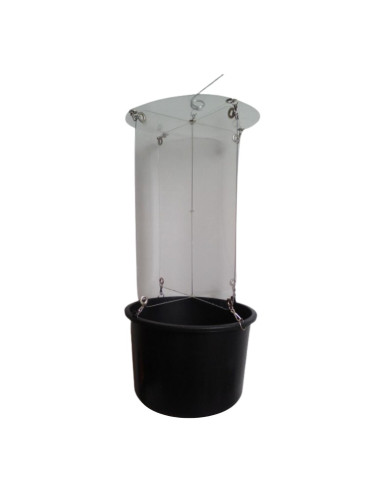
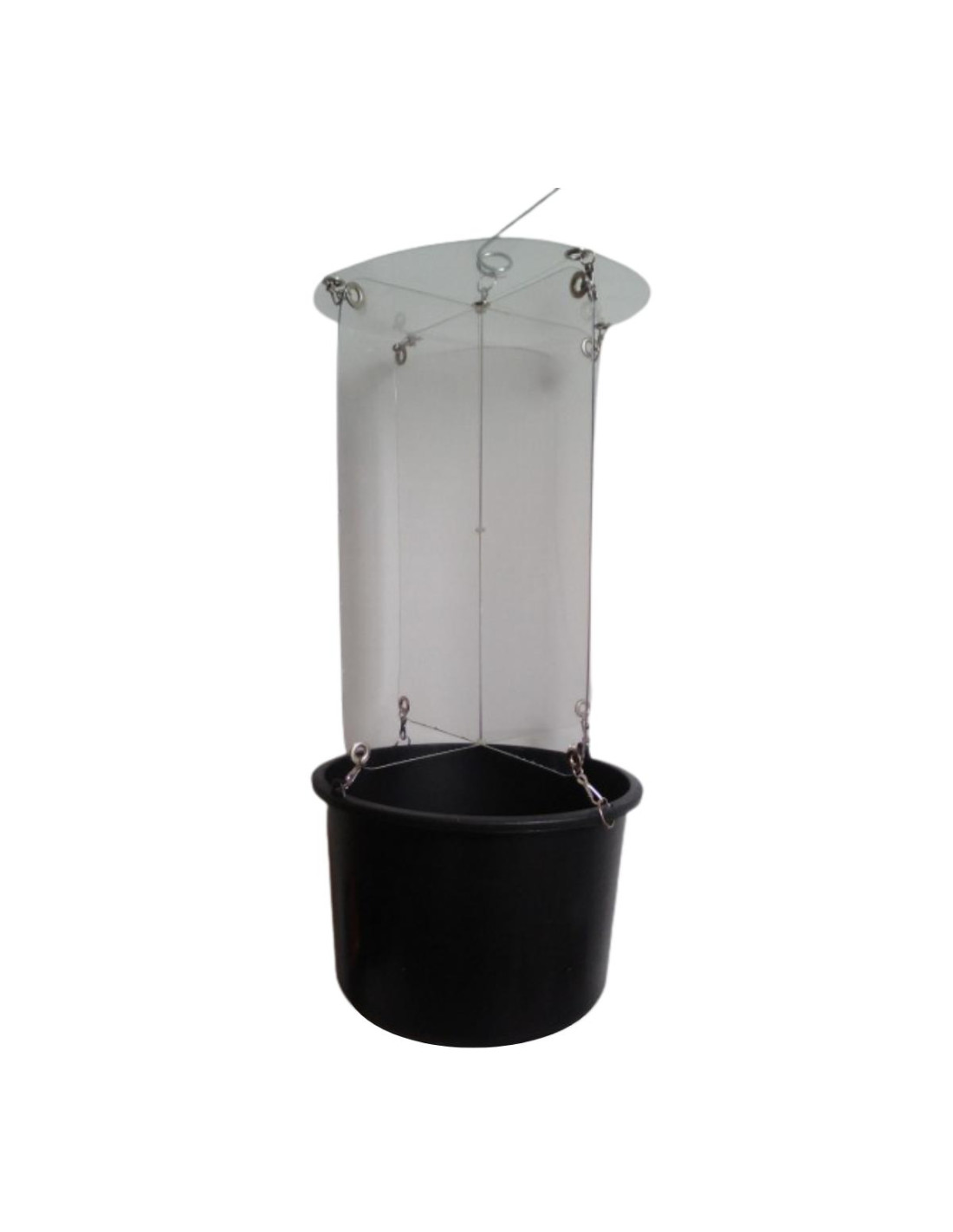
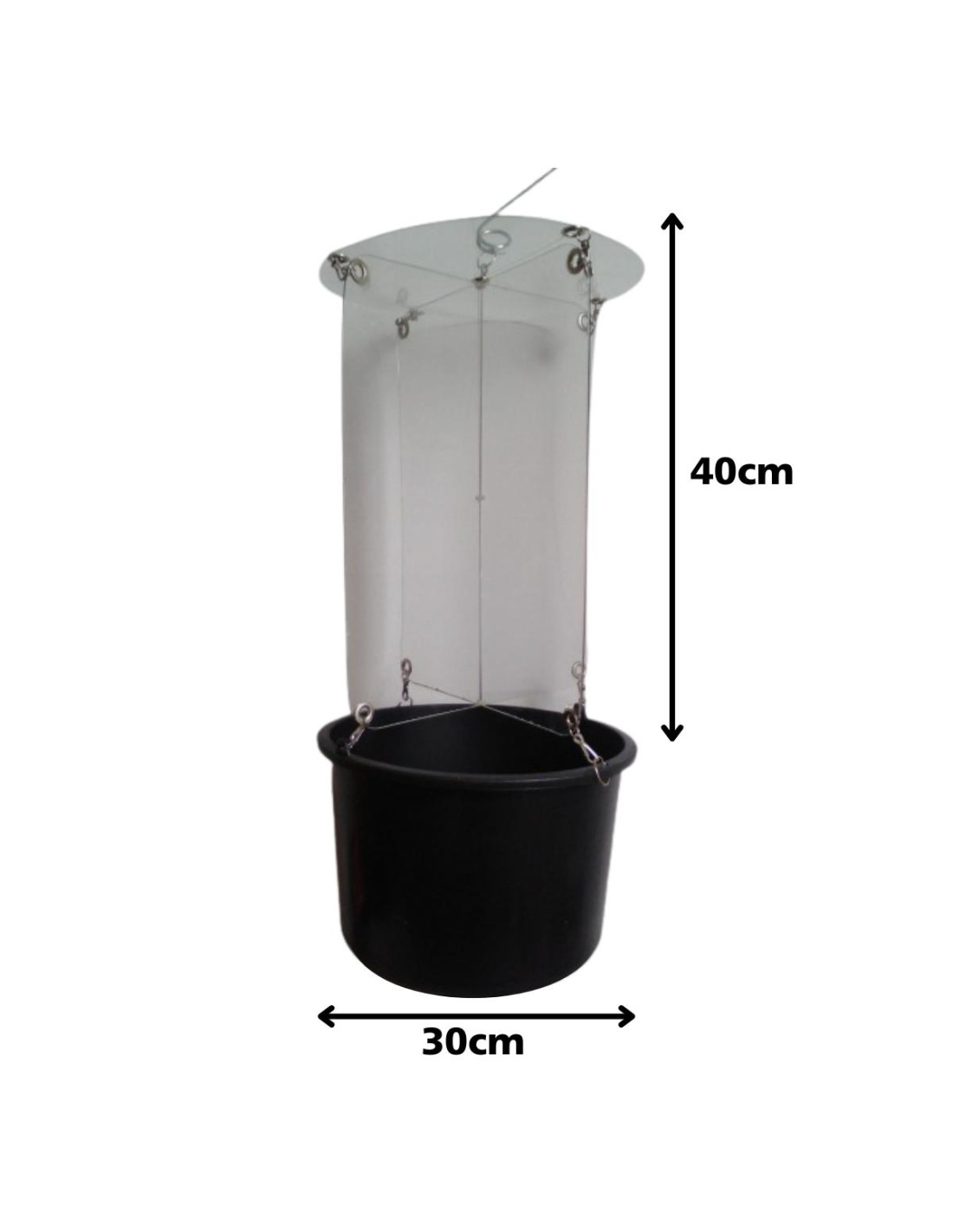
This interception trap passively captures flying insects without the use of electricity. Made from unbreakable laser-cut plexiglass, it consists of a cross-shaped frame topped with a roof and a collection container attached with steel lugs. Easy to disassemble and highly durable, the trap operates through simple interception, making it ideal for field use—even in remote areas. It can be used with various attractant solutions depending on the insect groups targeted (e.g., Cerambycidae, Scarabaeidae, Carabidae), typically based on wine, water, vinegar, excrement, and a few drops of dish soap to improve effectiveness. When placed near deadwood, forest clearings, or fallen trees, the trap enables the study of site biodiversity or targeted scientific sampling. It should be emptied every 3 to 7 days to prevent specimen decay. Versatile, autonomous, and easy to maintain, this trap is a valuable tool for studying entomofauna in natural environments.
Warning: NEVER clean the plexiglass with alcohol (may cause fogging or damage to the material).
Technical Specifications
- Main Structure:
- Cross made of unbreakable laser-cut plexiglass
- Protective roof
- Removable collection container
- Steel lugs for attachment to the container
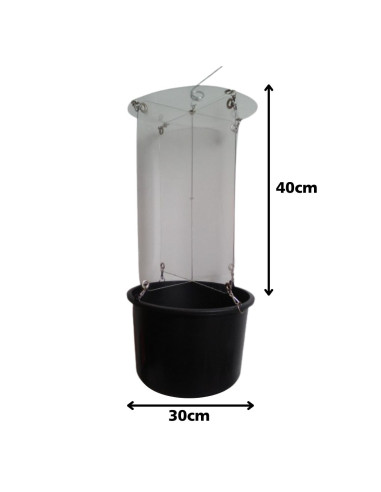
- Dimensions: 40 x 30 cm
- The entire structure is modular and easy to assemble/disassemble
- Principle: Passive drop-down interception trap designed to capture flying insects. Installs without any power supply.
Installation Tips
- Place near a woodpile, cluster of branches, or fallen tree
- Near a forest clearing or broken tree
- Choose areas with high insect flight activity for optimal results
Attractant and Fixative Solutions
- Recommended quantity: Fill the collection container with approx. 2 liters of the appropriate solution.
- Emptying the Trap:
- Remove the contents after a maximum of one week to prevent specimen decay.
- For some mixtures (e.g. targeting Cerambycidae), empty every 3 to 4 days to maintain specimen quality.
Attractant & Fixative Combinations by Insect Group
| Target Group | Attractant / Fixative Mixture | Notes |
| Cerambycidae | Wine + water + a few drops of dish soap | Also attracts: Silphidae, Buprestidae, Staphylinidae, Elateridae, Hymenoptera, Diptera; collect every 3–4 days |
| Scarabaeidae, Geotrupidae | Excrement + vinegar + a few drops of dish soap | Stimulates presence of dung beetles |
| Carabidae & others | Salt water + vinegar + a few drops of dish soap | Primarily serves as a fixative liquid |
| General Survey | Plain water (~2 liters) | Provides a general view of local insect fauna |
Usage Guidelines
- Safety: Wear gloves when handling attractants and collected material
- Effectiveness: To maximize capture rates, adapt attractant recipes to your target group (see table)
- Maintenance: Clean materials only with water or plexiglass-safe products
Key Advantages of the Trap
- No electricity required: Works entirely by passive interception; no electronic components
- Modular: Easily disassembled; parts are replaceable
- Versatile: Can be adapted to attract different insect families with specific attractants
- Durable: Built with resistant materials for extended outdoor use
Additional Notes
- The addition of dish soap reduces surface tension, allowing insects to sink and drown more efficiently
- The total quantity of insects collected is generally lower than with UV light traps, but interception traps are more selective and autonomous
1 Item
You might also like